
Security Surveillance System
Camera-based visibility across your premises, planned around the areas that matter.

Overview
Understanding Security Surveillance System
A security surveillance system, often called a CCTV system, uses cameras, recording equipment and viewing software to help monitor activity across a property. Surveillance can support safety, help deter unauthorised activity and provide recorded footage that can be reviewed after an incident.
The effectiveness of a surveillance system depends far more on planning than on the number of cameras. Choosing what each camera needs to see, how footage is stored and who can view it determines whether the system is genuinely useful when it is needed.
Challenges addressed
Problems this service area can help with
Common situations organisations face that this service area is designed to address.
-
01
Blind spots
Cameras positioned without a coverage plan can leave entrances, corridors or perimeters unobserved.
-
02
Unusable footage
Poor lighting, glare or an unsuitable field of view can make recordings difficult to interpret.
-
03
Insufficient storage
Recordings may be overwritten sooner than expected if storage is not planned for the number of cameras.
-
04
Limited access to footage
Authorised staff may struggle to find or view recordings quickly when they need them.

Key components
Key building blocks
- Camera placement planning
- Identifying the areas to cover and the purpose of each camera, from general overview to detailed views of entry points.
- Indoor and outdoor cameras
- Selecting camera types suited to the environment, mounting position and lighting conditions.
- Recording and storage
- Network video recorders or similar equipment store footage according to the required retention period.
- Live and recorded viewing
- Viewing stations and software allow authorised users, with defined permissions, to watch live feeds and review recordings.
- Network connection
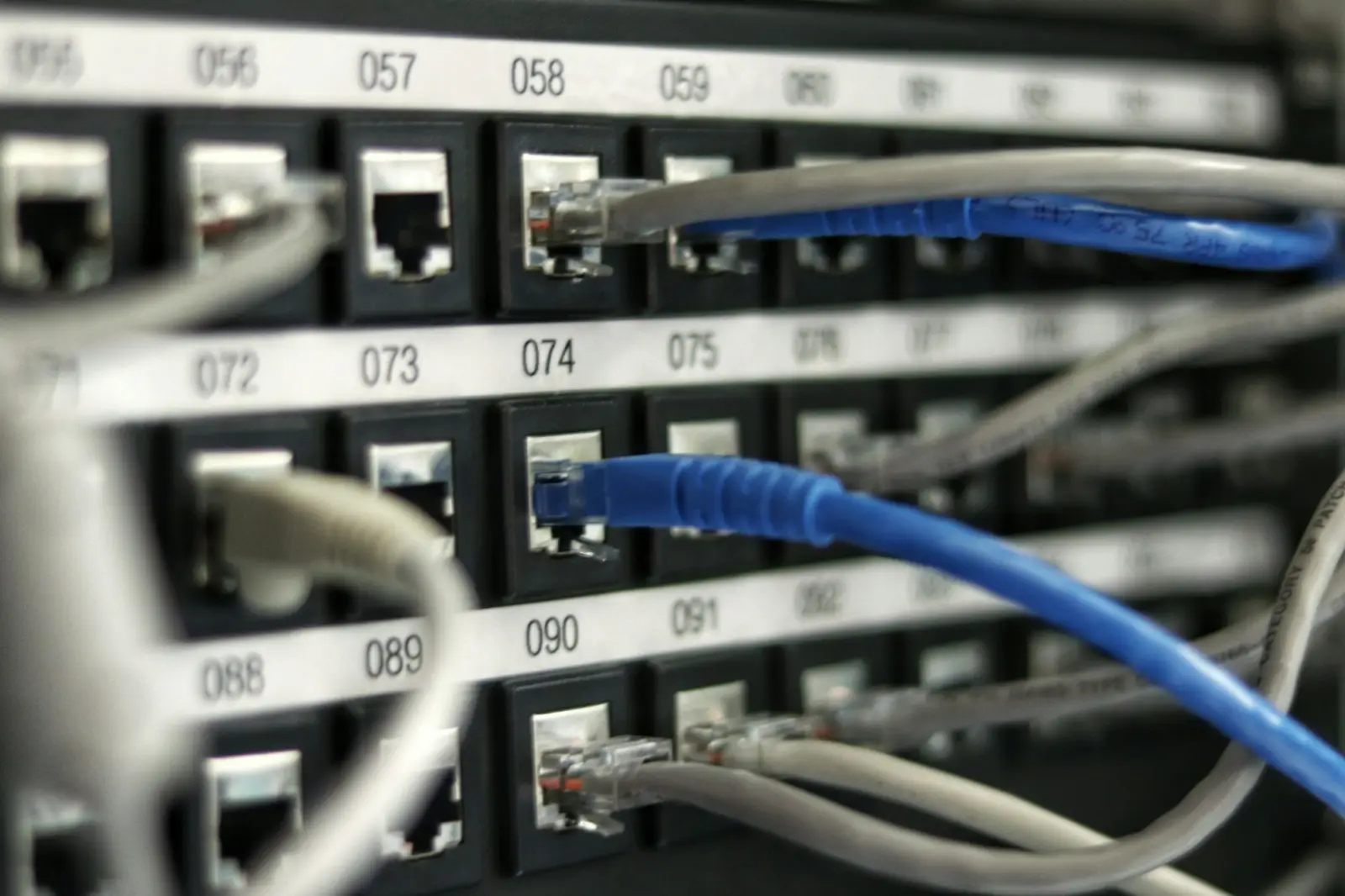
- Network-connected cameras rely on appropriate cabling, switching and, often, power over Ethernet.
- ANPR cameras
- Automatic number plate recognition (ANPR) cameras read vehicle registration plates at entrances, exits and gates, creating a searchable record of vehicle movements.
Applications
Typical applications
-
01
Entrances and reception areas
Observing who enters and leaves a building.
-
02
Perimeters and parking areas
Providing visibility over outdoor spaces and gates, with ANPR cameras recording vehicles at entry and exit points.
-
03
Warehouses and storage areas
Monitoring stock areas, loading bays and high-value storage.
-
04
Retail and public-facing spaces
Supporting safety in areas used by customers and visitors.
Planning & implementation
What to consider before you start
Good outcomes depend on early decisions. These are the questions worth working through when planning this type of work for a site.
-
1
Purpose of each camera
Deciding whether a camera needs to show general activity or finer detail.
-
2
Lighting
Accounting for day and night conditions, backlighting and glare.
-
3
Retention period
Estimating how long recordings need to be kept and sizing storage accordingly.
-
4
Network impact
Planning bandwidth and switching for camera traffic.
-
5
Vehicle entry points
Positioning ANPR cameras at a suitable angle, distance and lighting for reliable plate reading.
-
6
Privacy
Positioning cameras responsibly and respecting applicable privacy expectations and regulations.
Benefits
Why it matters
- Visibility over important areas of a property
- Recorded footage available for later review
- A visible deterrent at entrances and perimeters
- A searchable record of vehicles entering and leaving
- A system designed around real coverage needs
Surat & Bharuch
Security Surveillance System in Surat and Bharuch
Planning CCTV cameras for an office, warehouse or residential building, or ANPR cameras at a vehicle gate, in Surat, Bharuch or elsewhere in Gujarat? Contact our Surat head office or Bharuch branch office to discuss coverage for your site.
FAQs
Frequently asked questions
General answers about Security Surveillance System. For questions about your own site, please get in touch.
What is the difference between IP cameras and analogue cameras?
IP cameras send video over a computer network and are typically connected through network switches, while analogue cameras send video over coaxial cable to a recorder. IP systems are common in new installations because they use standard network infrastructure.
What is power over Ethernet (PoE)?
PoE allows a single network cable to carry both data and electrical power to a device such as a camera, reducing the need for separate power supplies at each camera location.
How long are recordings kept?
Retention depends on the storage capacity, the number of cameras, the resolution and whether recording is continuous or event-based. The required retention period should be decided at the planning stage.
What is an ANPR camera?
An ANPR (automatic number plate recognition) camera captures images of vehicles and uses software to read their registration plates. Plate reads can be logged with a time and date, searched later and, in some setups, used alongside barriers or access control at vehicle entrances.
Can footage be viewed remotely?
Many modern systems support remote viewing for authorised users. This needs to be set up securely, with appropriate user accounts and network configuration.
Related services
Often considered together
This page explains Security Surveillance System in general terms. The specific scope, equipment and approach for any site are confirmed after discussing requirements with Microtel Netlinks.

Get in touch
Discuss Security Surveillance System for your site
Tell us about your premises and what you need. Contact Microtel Netlinks by phone, email or the enquiry form.