
Intercom
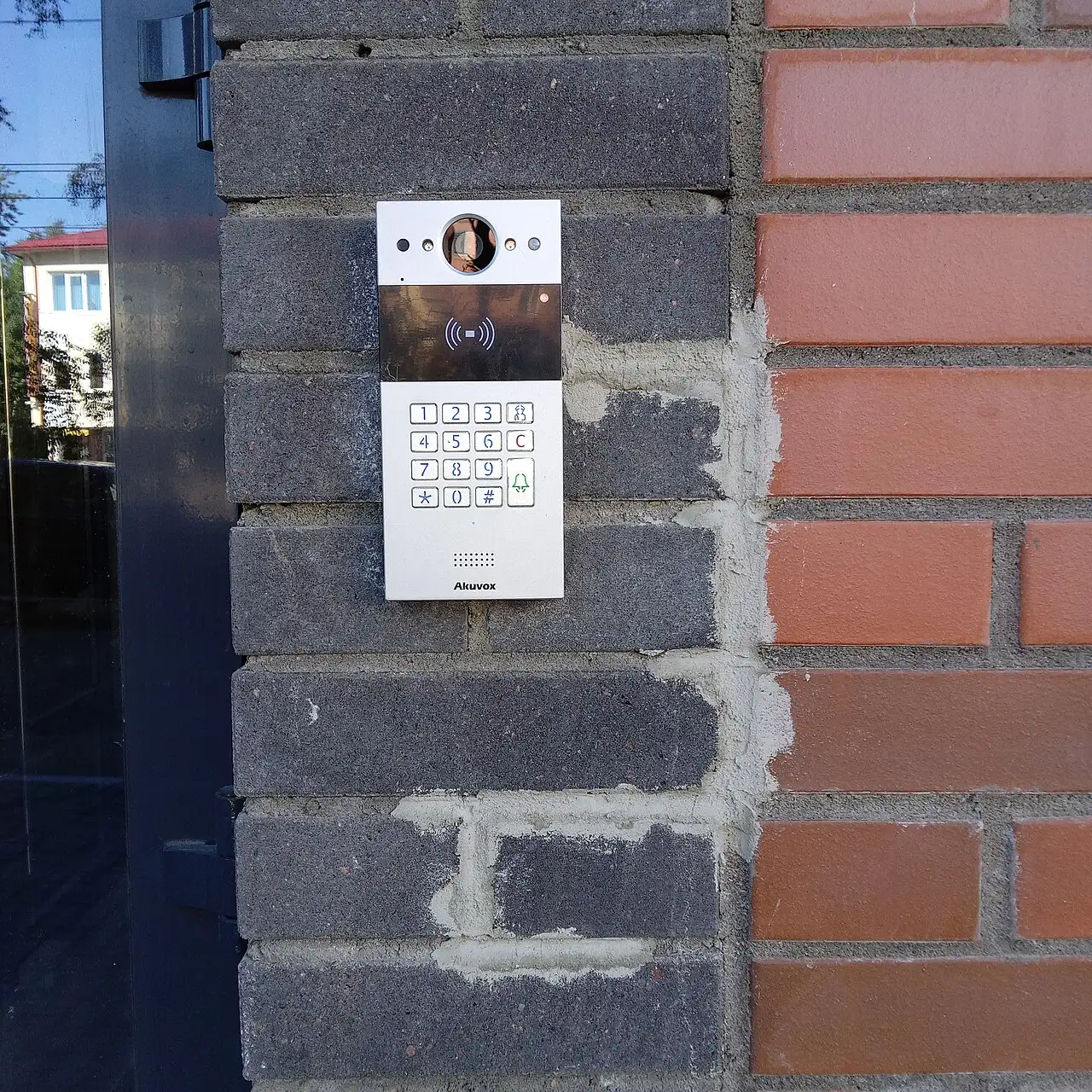
Clear voice and video communication between entrances, rooms and buildings.
Overview
Understanding Intercom
An intercom system allows people at different points of a building or site to speak to each other directly. A visitor at an entrance gate can speak to reception, a resident can see who is at the door before letting them in, and staff in different rooms can communicate without walking across the building.
Intercoms range from simple audio units to video door phones and systems with multiple entrance points and indoor stations. Choosing the right setup depends on how people arrive at and move through a site, and who needs to communicate with whom.
Challenges addressed
Problems this service area can help with
Common situations organisations face that this service area is designed to address.
-
01
Unidentified visitors
Without a way to see or speak to visitors, staff or residents may open doors without knowing who is there.
-
02
Busy reception areas
Reception staff can spend significant time walking to doors or gates to deal with arrivals.
-
03
Large or multi-building sites
Communicating between distant parts of a site can be slow without a dedicated system.
-
04
Ageing or unreliable units
Older intercoms may suffer from poor audio quality, faded buttons or limited functionality.
Key components
Key building blocks
- Audio intercoms
- Two-way voice communication between an outdoor or entrance station and one or more indoor units.
- Video intercoms
- A camera at the entrance station lets the person inside see the visitor before responding.
- Entrance and gate stations
- Weather-resistant units for doors, lobbies and vehicle or pedestrian gates.
- Indoor stations and handsets
- Units installed at reception desks, offices, apartments or security rooms.
- Door release integration
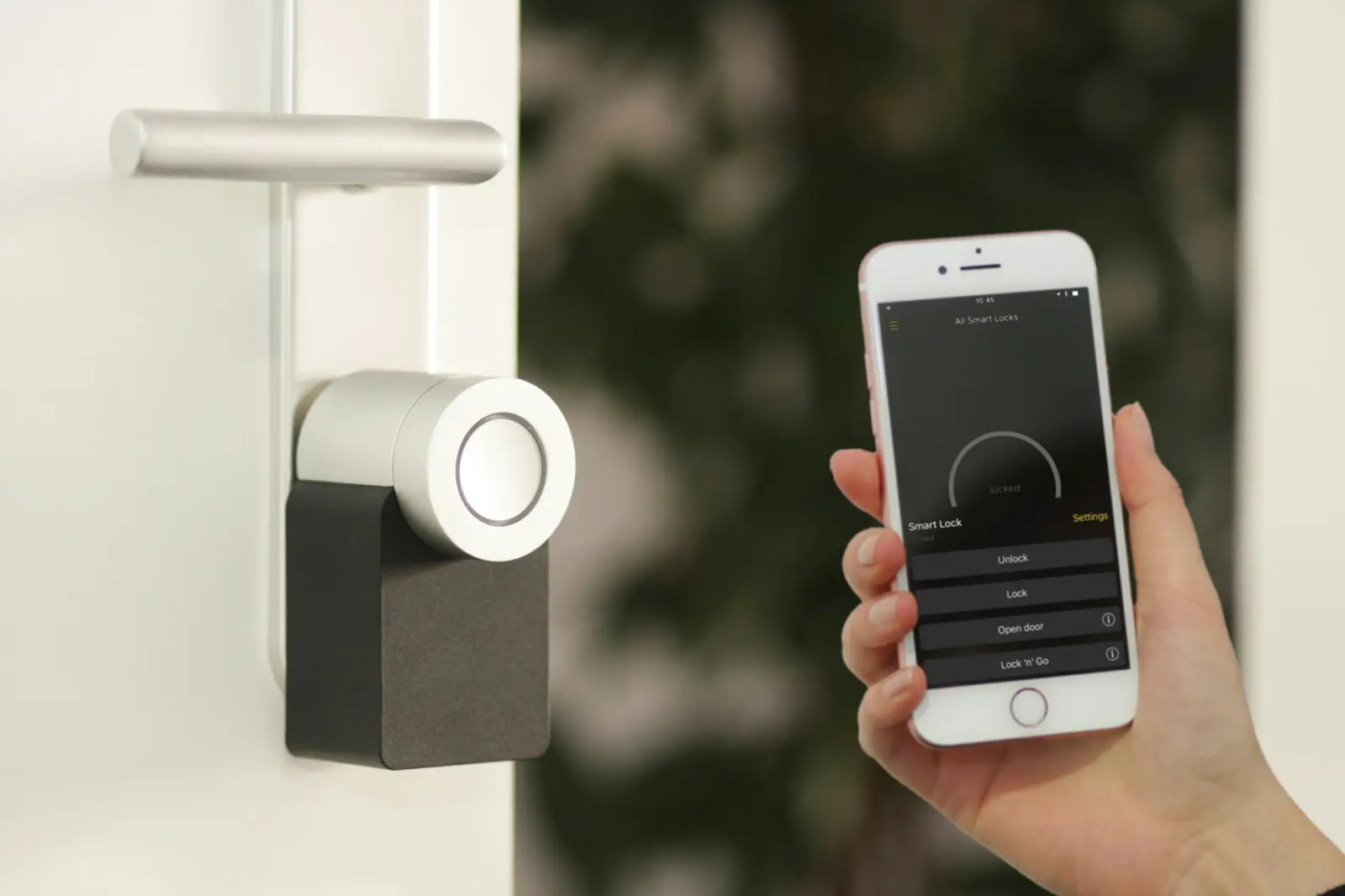
- Many intercom systems can work with electric locks so that doors can be released remotely.
- Internal communication
- Room-to-room or desk-to-desk calling within a building.
Applications
Typical applications
-
01
Offices and commercial buildings
Managing visitor arrivals at the main entrance or reception.
-
02
Residential complexes
Allowing residents to identify and admit visitors at building entrances.
-
03
Gated premises
Communicating with visitors and vehicles at gates that are far from the main building.
-
04
Industrial sites
Connecting gatehouses, control rooms and work areas.
Planning & implementation
What to consider before you start
Good outcomes depend on early decisions. These are the questions worth working through when planning this type of work for a site.
-
1
Entry points
Identifying every door and gate where visitors need to make contact.
-
2
Who answers
Deciding which indoor stations receive calls from each entrance.
-
3
Audio or video
Choosing whether visual identification of visitors is required.
-
4
Cabling and network
Planning wiring or network connections between stations.
-
5
Environment
Considering weather exposure, lighting and mounting height for outdoor units.
Benefits
Why it matters
- Visitors can be identified before doors are opened
- Less time spent walking to entrances and gates
- Clearer communication between parts of a site
- Can work alongside door release and surveillance systems
- A more organised visitor arrival experience
Surat & Bharuch
Intercom in Surat and Bharuch
Planning an intercom or video door phone system for an office, gated premises or apartment building in Surat, Bharuch or elsewhere in Gujarat? Contact our Surat head office or Bharuch branch office to discuss your entrances.
FAQs
Frequently asked questions
General answers about Intercom. For questions about your own site, please get in touch.
What is the difference between audio and video intercoms?
Audio intercoms provide two-way voice communication only. Video intercoms add a camera at the entrance station and a screen at the indoor station, so the person answering can see who is calling.
Can an intercom open a door?
Many intercom systems can be connected to electric locks or strikes, allowing the person answering to release the door. This requires compatible locking hardware and appropriate wiring.
What is an IP intercom?
An IP intercom communicates over a computer network instead of dedicated intercom wiring. This can make it easier to connect stations across large sites or integrate with other network-based systems.
Where should an outdoor intercom be mounted?
Outdoor stations should be at a comfortable height for visitors, protected from direct rain where possible, and positioned so that the camera, if fitted, has a clear view of the caller’s face.
Related services
Often considered together


This page explains Intercom in general terms. The specific scope, equipment and approach for any site are confirmed after discussing requirements with Microtel Netlinks.

Get in touch
Discuss Intercom for your site
Tell us about your premises and what you need. Contact Microtel Netlinks by phone, email or the enquiry form.